
The Bargello Museum Tour
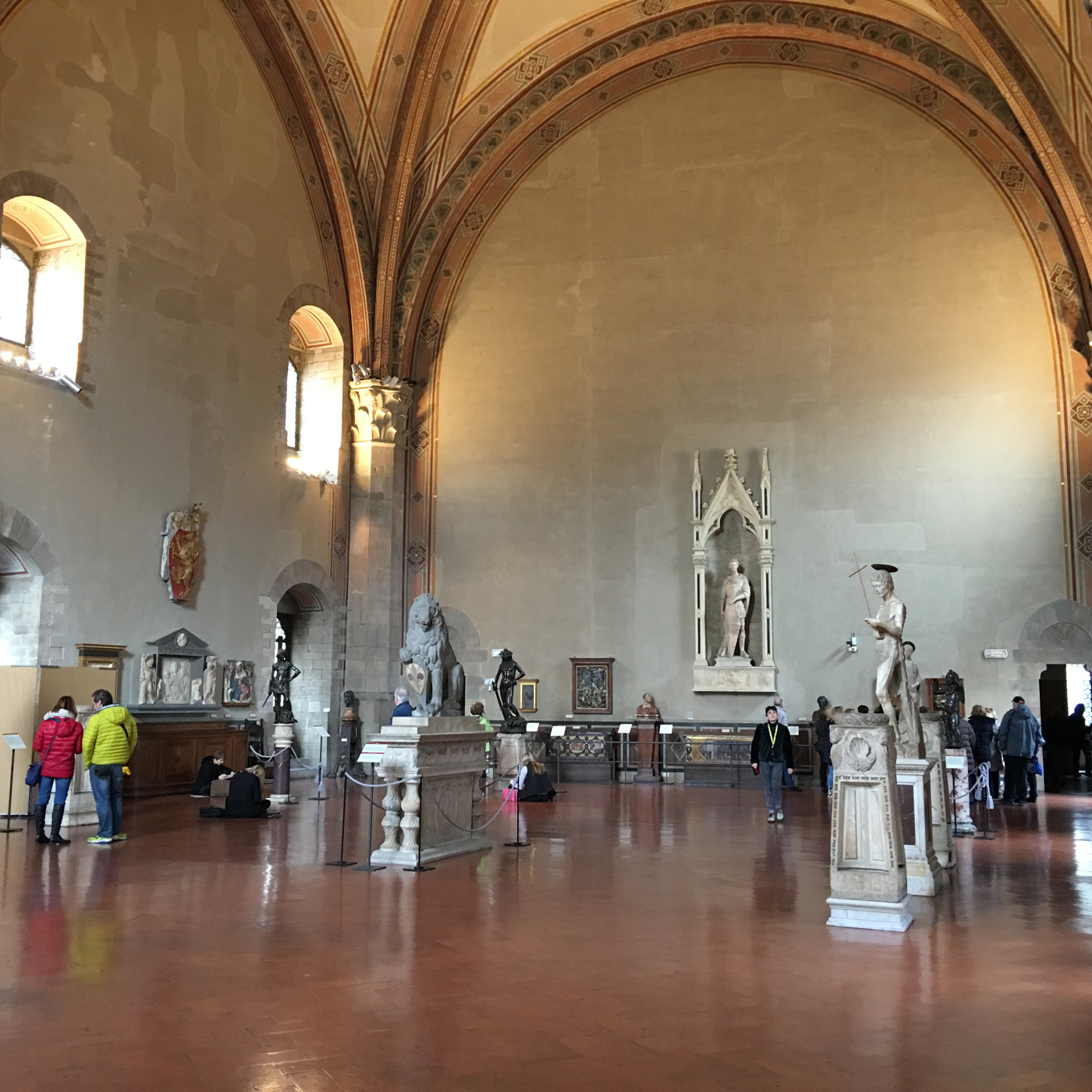
The Bargello was born essentially as a sculpture museum housing works of art of the greatest and most well-known masters of the Renaissance such as
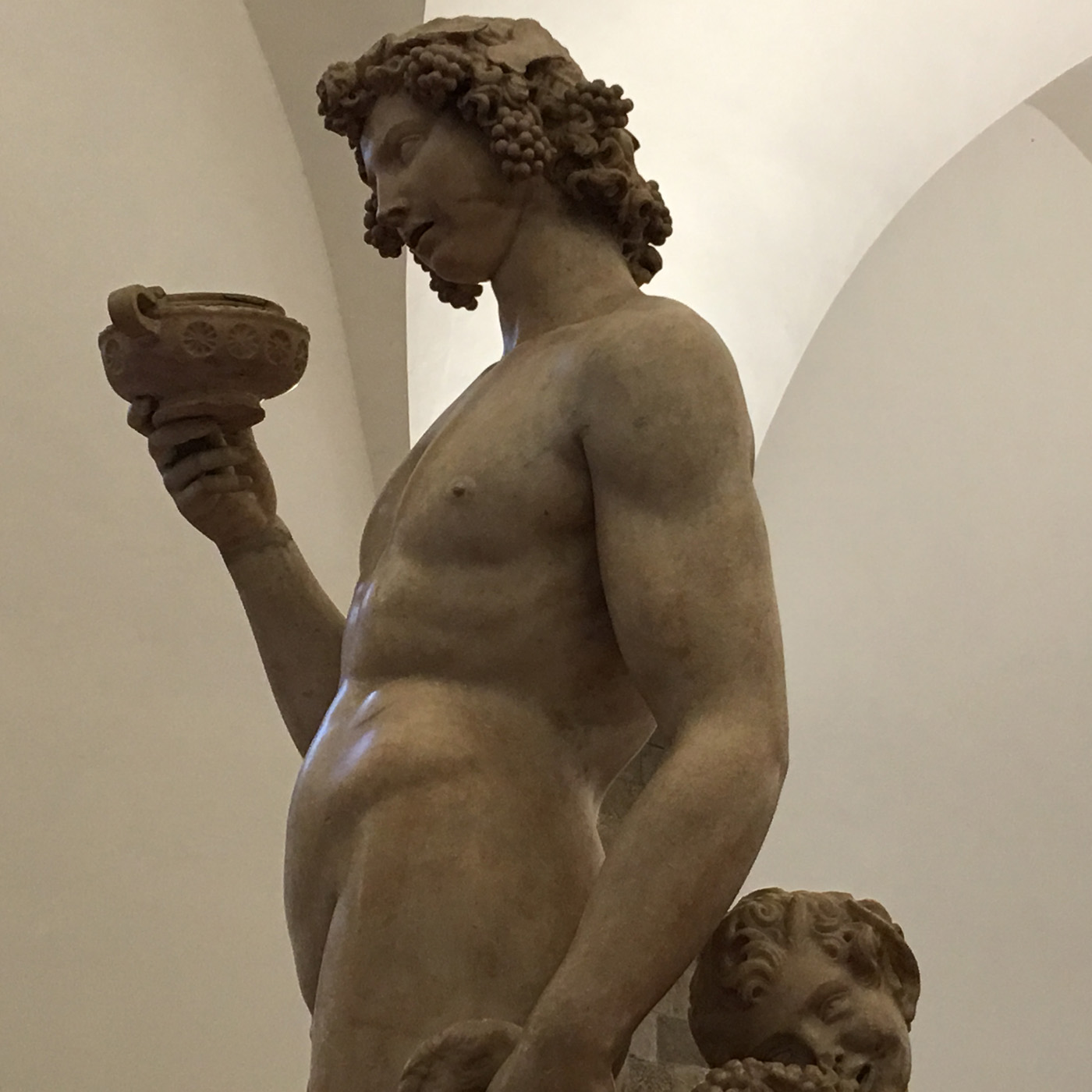
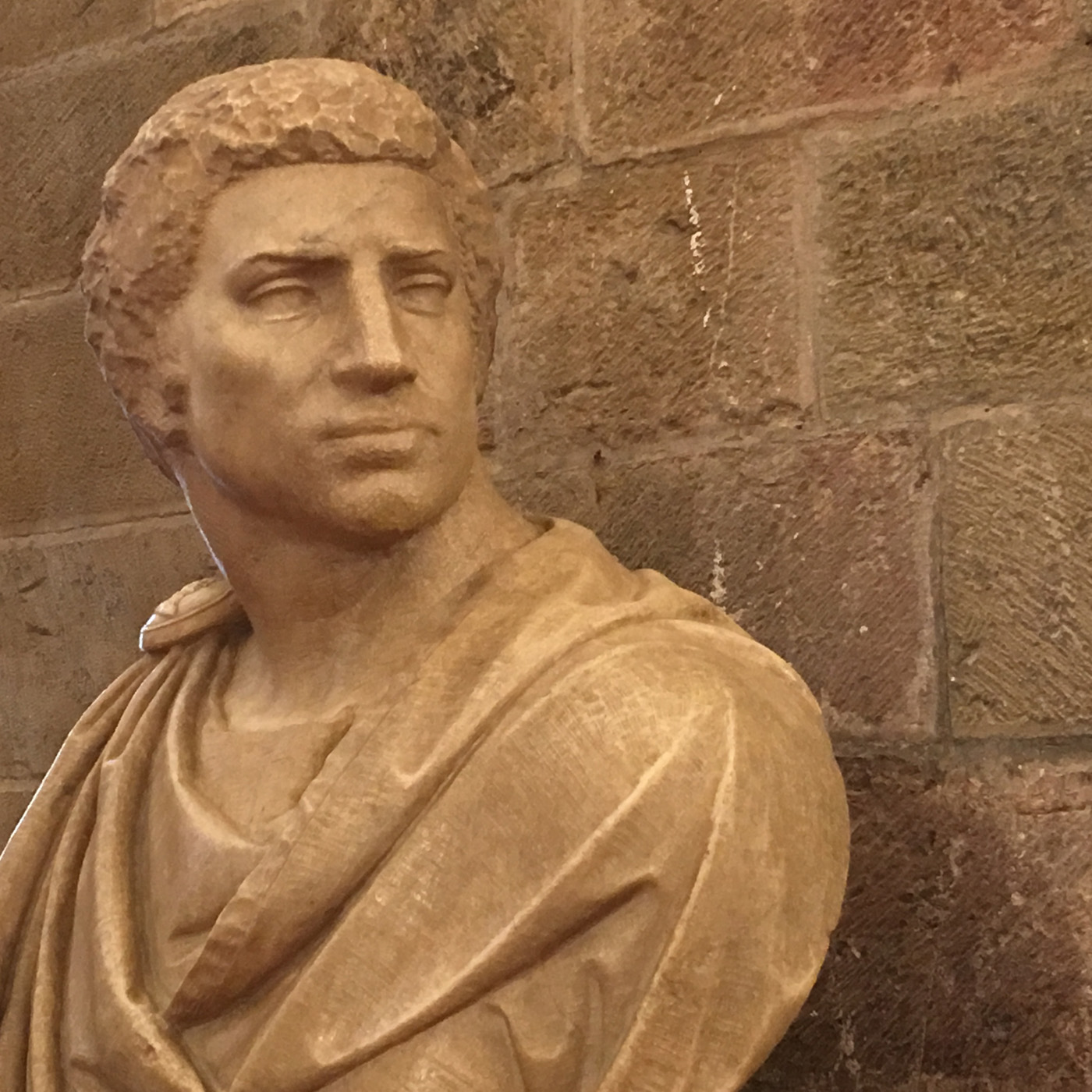
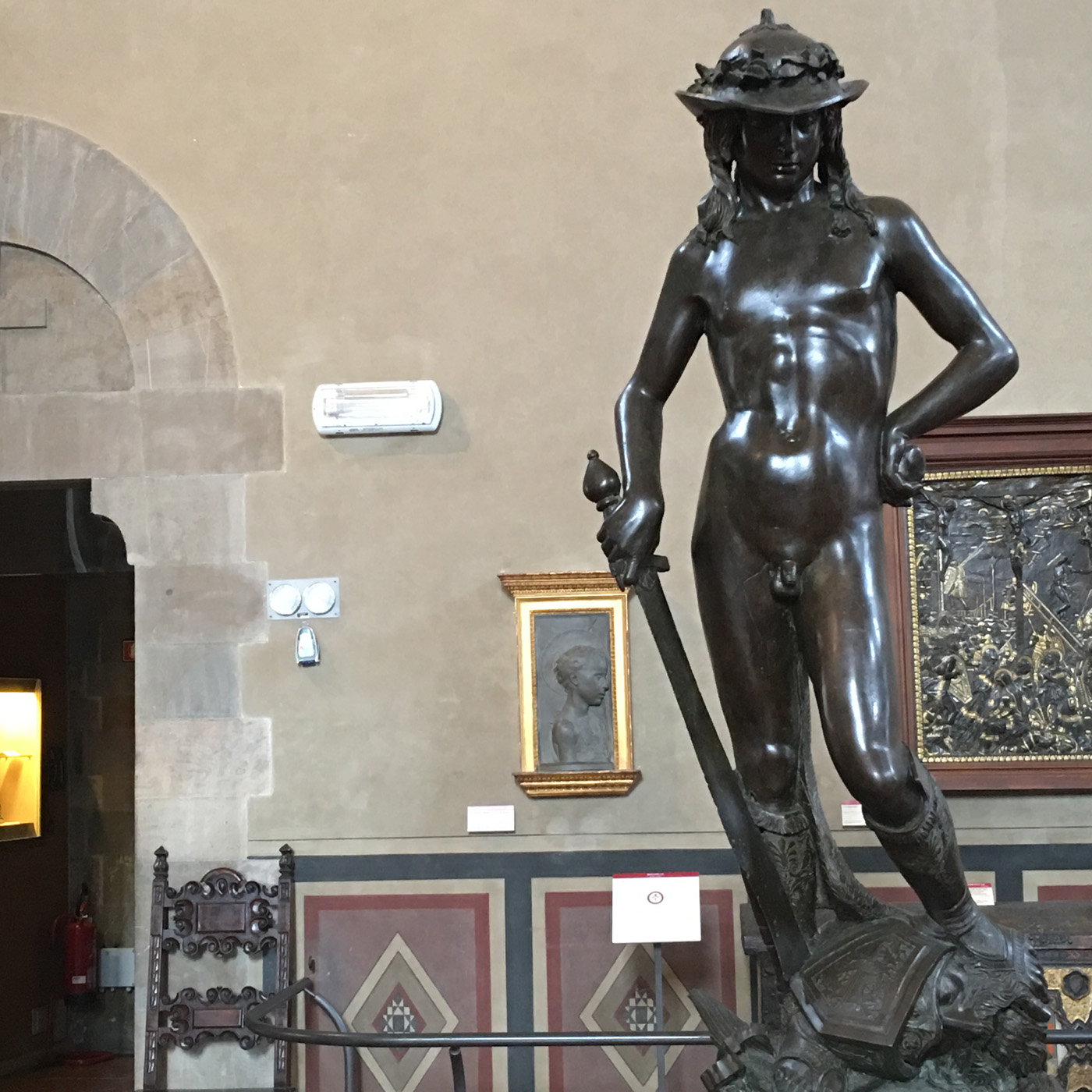
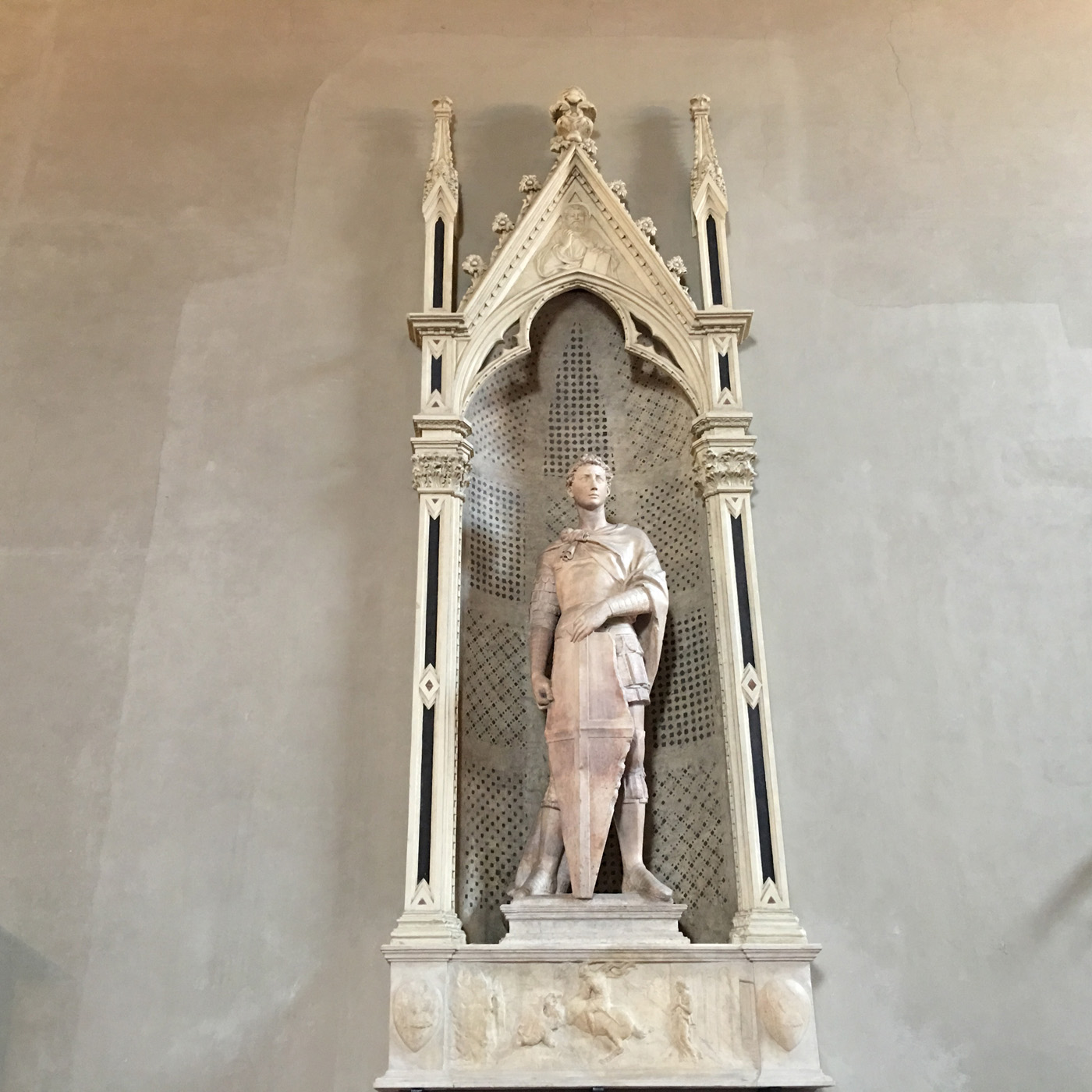
Donatello (the marble David, the bronze David, the San George), Luca Della Robbia (he invented the glazed terracotta technique), Andrea del Verrocchio (the bronze David), Michelangelo (the marble Baccus, the marble David-Apollo, the marble bust of Brutus, the marble Tondo Pitti), Benvenuto Cellini (marble and bronze statues); Giambologna (the bronze Bacchus and the bronze Flying Mercury); Bartolomeo Ammannati, Baccio Bandinelli.
During this private guided tour of the Bargello Museum, we will also see the two original gilded bronze panels by Lorenzo Ghiberti and Filippo Brunelleschi made by the two masters of the 1400s to take part in the competition (of 1401) for the construction of the north door of the Baptistery of Florence. Well, the two artists turned out to be finalists of the competition; one of them won and could begin with the long work (20 years) of drawing (a well-done design was the “mother” of everything), modeling of wax, realization of plaster casts, pouring of liquid bronze in casts that melts wax ( lost wax technique), finishing, and gilding of the 28 panels
What is the “outside”
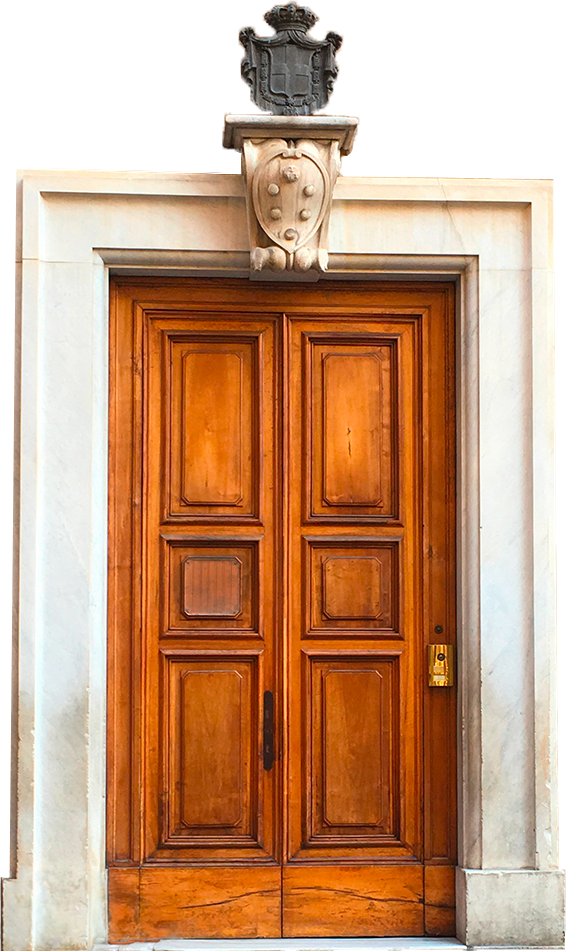
The Bargello Museum in Florence occupies an impressive building built for the Capitano del Popolo in the mid-13th century, which later became the seat of the Podestà and Council of Justice. During our private guided tour, we will then enter a true medieval palace of more than 700 years; we will see columns, arches, capitals, and coats of arms of the various Podestà. We will literally make a jump back in time as we enter. The entrance of the Bargello Museum is located on the first floor of the original bell tower (one of the oldest part of the building). I do not know about you, but I get goosebumps just yet to write these things!!
What else
The museum was subsequently enriched with splendid collections of bronzes, majolica, waxes, enamels, medals, seals, ivories, amber, tapestries, furniture, and textiles from the Medici collections and those of private donors.